
How Seniors Can Stay Active and Healthy
Staying active in the later stages of life is one of the most effective ways to maintain independence, boost energy levels, and support overall well-being. Regular movement helps reduce the risk of chronic diseases, improves mental health, and enhances quality of life. For seniors, fitness doesn’t have to mean intense workouts—it’s about finding enjoyable, safe, and sustainable ways to move the body.
1. Embrace Low-Impact Exercises
Gentle, low-impact activities are ideal for seniors as they reduce stress on the joints while still providing health benefits. Walking, swimming, cycling, and water aerobics are excellent choices for maintaining cardiovascular health and mobility.
2. Incorporate Strength Training
Building and maintaining muscle is crucial for preventing age-related muscle loss. Simple strength exercises using resistance bands, light dumbbells, or even bodyweight movements like squats and wall push-ups can help maintain functional strength.
3. Prioritize Flexibility and Balance
Flexibility exercises improve mobility and reduce stiffness, while balance training lowers the risk of falls—a major concern for older adults. Gentle yoga, stretching routines, and tai chi are highly effective for maintaining flexibility and coordination.
4. Stay Socially Engaged Through Activity
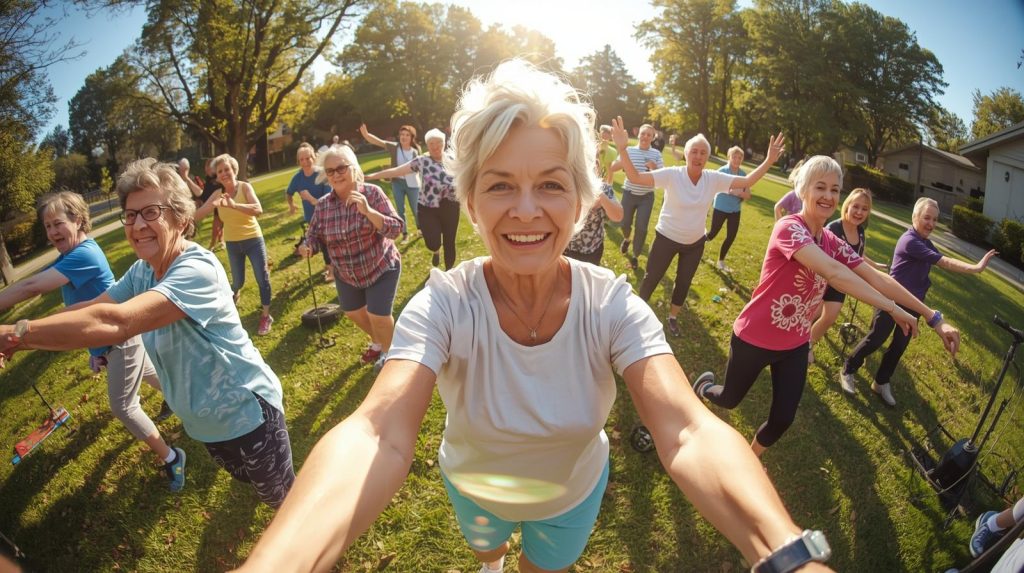
Group fitness classes, walking clubs, or community dance sessions combine physical activity with social interaction. Staying socially connected helps combat loneliness and supports mental and emotional health alongside physical well-being.
5. Listen to the Body and Stay Safe
Seniors should always consult with a healthcare professional before starting or changing a fitness routine. Choosing safe exercises, warming up properly, and using supportive footwear can help prevent injuries. It’s also important to pace activity and rest as needed.
6. Include Daily Functional Movements
Everyday activities such as gardening, light housework, or even playing with grandchildren count as exercise. Functional movements mimic daily tasks, making it easier to maintain independence in daily living.
7. Support Activity with Good Nutrition
Staying active goes hand-in-hand with healthy eating. A diet rich in fruits, vegetables, lean proteins, and whole grains provides the energy and nutrients needed to fuel activity and support overall health. Staying hydrated is equally important, especially during physical activity.
8. Focus on Consistency, Not Intensity
For seniors, consistency is more important than intensity. Regular, moderate activity—even if it’s just 20–30 minutes a day—can have significant health benefits. Creating a routine that feels enjoyable ensures long-term commitment.
Conclusion
Staying active and healthy as a senior is about balance, safety, and enjoyment. Low-impact exercises, strength and balance training, and socially engaging activities all contribute to a healthier lifestyle. By making movement a regular part of daily life, seniors can maintain independence, improve well-being, and continue to live with vitality.