
Best Workouts for People with Limited Mobility
Staying active is important for everyone, including those with limited mobility. Whether due to injury, disability, age, or chronic conditions, limited mobility does not mean exercise is out of reach. With the right modifications, individuals can build strength, improve flexibility, enhance circulation, and boost overall well-being.
1. Chair Exercises
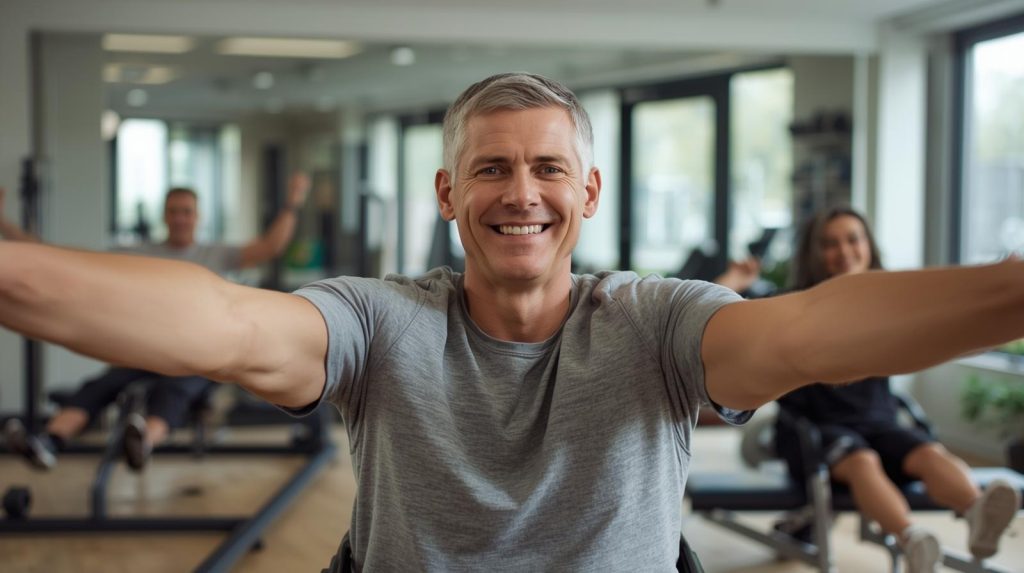
Chair workouts are excellent for people who cannot stand for long periods or have balance challenges. Seated exercises such as arm raises, seated marches, torso twists, and leg extensions provide cardiovascular and strength benefits while keeping the body supported.
2. Resistance Band Training
Resistance bands are lightweight, versatile, and safe for people with mobility challenges. Seated bicep curls, chest presses, and rows with bands help strengthen muscles without putting too much strain on the joints.
3. Water-Based Exercises
Aquatic workouts reduce pressure on the joints while providing gentle resistance. Water walking, leg lifts, and arm movements in a pool are effective for building endurance and flexibility while minimizing discomfort.
4. Range of Motion and Stretching
Gentle stretching helps maintain flexibility and reduce stiffness. Basic movements such as shoulder circles, ankle rolls, and neck stretches can be done daily to keep the joints mobile and prevent tightness.
5. Strength Training with Light Weights
Using light dumbbells or even household items like water bottles can help strengthen muscles. Seated shoulder presses, curls, and lateral raises are simple ways to build upper-body strength without requiring much movement.
6. Breathing and Relaxation Exercises
Mindful breathing exercises, yoga-based breathing, or meditation not only reduce stress but also improve lung function. Pairing breathing techniques with gentle stretches creates a holistic approach to wellness.
7. Adaptive Yoga or Tai Chi
Modified yoga and tai chi programs focus on balance, flexibility, and relaxation. Many of these can be done seated or with support, making them ideal for individuals with limited mobility who want both physical and mental health benefits.
8. Everyday Functional Movements
Simple daily movements, such as reaching, bending, or light household tasks, can also count as exercise. The goal is to keep the body moving safely and consistently in ways that support independence.
Conclusion
Limited mobility does not mean limited fitness. By incorporating chair exercises, resistance training, stretching, and other adaptive activities, individuals can enjoy the physical and mental health benefits of an active lifestyle. The key is to choose safe, comfortable movements, progress at a personal pace, and focus on consistency rather than intensity.