
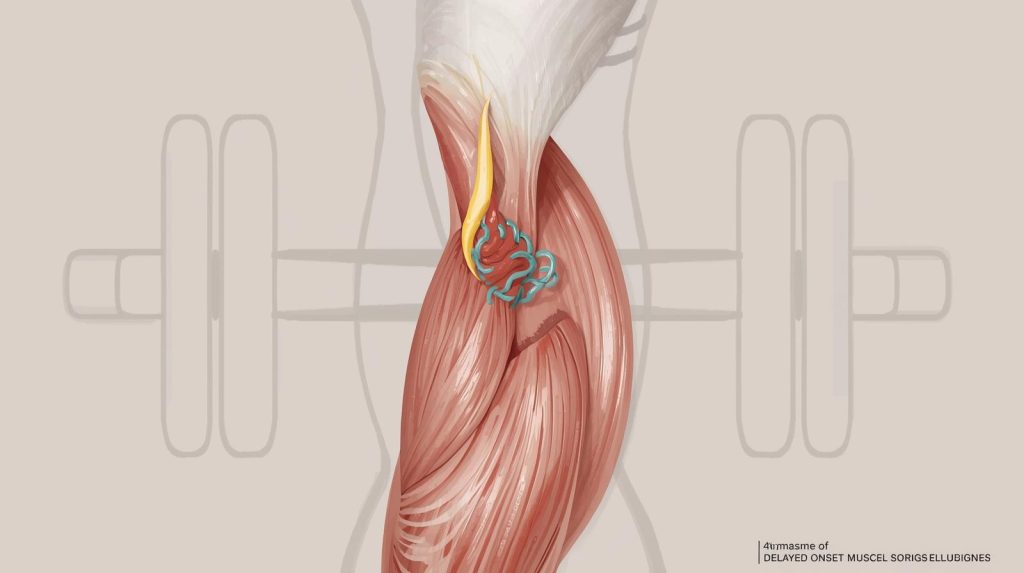
Understanding Delayed Onset Muscle Soreness (DOMS)
If you’ve ever felt stiff and sore a day or two after a tough workout, you’ve experienced Delayed Onset Muscle Soreness (DOMS). While it’s a common part of the fitness journey, understanding DOMS can help you manage it, recover faster, and prevent unnecessary worry.
⚡ What is DOMS?
DOMS is the muscle soreness and stiffness that develops 12–72 hours after intense or unfamiliar exercise. It’s caused by tiny microtears in muscle fibers during resistance training, high-intensity workouts, or new movements.
Key points:
- DOMS is usually mild to moderate discomfort, not sharp pain.
- It often occurs when you try a new exercise, increase intensity, or do eccentric movements (lengthening under load, like lowering a dumbbell).
🔍 Symptoms of DOMS
- Muscle tenderness or stiffness
- Mild swelling or tightness
- Temporary reduction in strength or range of motion
- Usually peaks 24–48 hours after exercise
Note: Sudden, sharp pain or swelling may indicate an injury, not DOMS.
✅ Why DOMS Happens
- Microtrauma to Muscle Fibers: Tiny tears stimulate repair and growth.
- Inflammatory Response: The body sends nutrients and immune cells to repair damaged tissue.
- Fluid Accumulation: Causes temporary swelling and stiffness in muscles.
Fun Fact: DOMS is actually a sign that your muscles are adapting and getting stronger.
💡 How to Manage DOMS
1. Active Recovery
- Engage in light movement like walking, cycling, or swimming to increase blood flow.
- Avoid intense workouts on sore muscles until discomfort improves.
2. Stretching and Foam Rolling
- Gentle static stretching or foam rolling helps release tension and improve mobility.
3. Nutrition
- Protein aids muscle repair.
- Carbohydrates replenish glycogen.
- Anti-inflammatory foods (berries, fatty fish, nuts) may help reduce soreness.
4. Hydration
- Staying hydrated helps remove waste products from muscles and reduces stiffness.
5. Rest and Sleep
- Quality sleep supports muscle repair and recovery, speeding up DOMS resolution.
6. Ice or Heat Therapy
- Ice may reduce inflammation initially; heat can relax tight muscles.
- Contrast baths (alternating hot and cold) can also help.
⚠️ When DOMS May Signal a Problem
- Sharp or severe pain during or after exercise
- Swelling, bruising, or restricted movement
- Muscle weakness that doesn’t improve within a few days
If these occur, it’s better to consult a healthcare professional.
Final Thoughts
DOMS is a natural part of training and a sign your body is adapting to stress. With proper recovery, nutrition, and gradual progression, you can manage soreness effectively and continue building strength and endurance safely.
Remember: DOMS is temporary — consistent training plus smart recovery strategies will help you get stronger, not sidelined.