
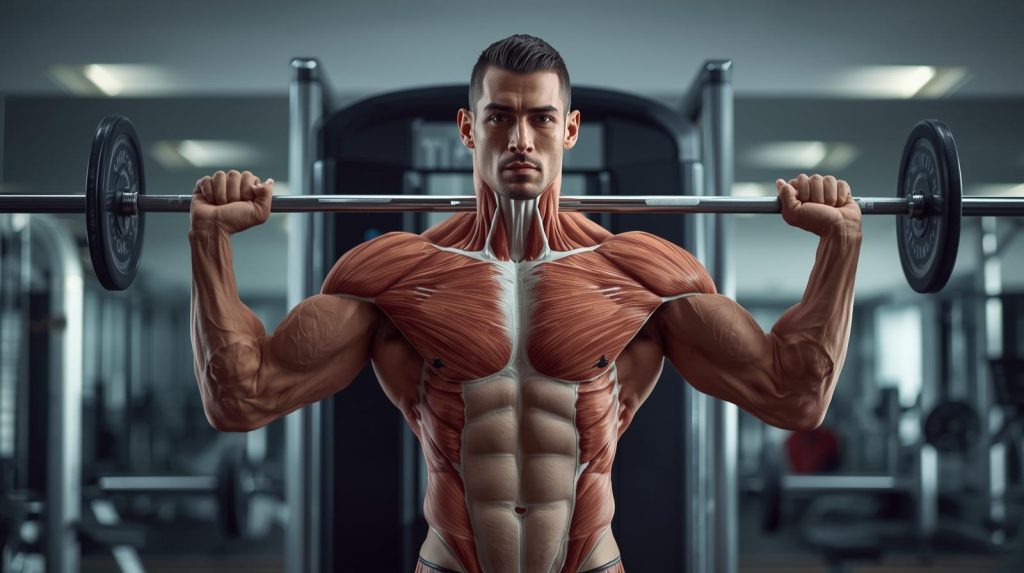
How Proper Form Can Prevent Workout Injuries
In the pursuit of fitness, lifting heavier, pushing harder, or moving faster often takes center stage. While intensity is important, proper form is the real key to staying safe and preventing injuries. Using the correct technique not only protects your joints and muscles but also ensures you get maximum results from every exercise.
Here’s how proper form can keep you injury-free and improve your workouts.
1. Reduces Stress on Joints
- Incorrect posture or alignment can put excess pressure on knees, shoulders, hips, and spine.
- Proper form ensures that muscles bear the load, not your ligaments or joints.
- Example: Squatting with your knees tracking over your toes keeps stress off the knees and distributes force evenly through quads, glutes, and hamstrings.
2. Prevents Muscle Strains and Tears
- Lifting with poor form can cause overstretching or sudden tearing of muscles.
- Maintaining alignment and control throughout a movement protects muscle fibers.
- Tip: Move in a controlled manner; avoid jerky motions or bouncing weights.
3. Improves Exercise Efficiency
- Proper form targets the intended muscles, making workouts more effective.
- Misalignment can lead to overcompensation by other muscles, reducing results and creating imbalances.
- Example: During a bench press, keeping your shoulder blades retracted engages the chest correctly and protects the shoulders.
4. Enhances Balance and Stability
- Good form encourages proper posture and engages core stabilizers, improving overall balance.
- A strong, stable core reduces the risk of falls or injuries during dynamic movements.
5. Builds Safe Habits for Long-Term Fitness
- Consistently using proper form helps your body move efficiently, reducing wear and tear over time.
- This lowers the risk of chronic injuries such as tendinitis, joint pain, or lower back issues.
💡 Tips to Maintain Proper Form
- Start Light: Master technique with lighter weights before increasing load.
- Use a Mirror or Video: Visual feedback helps spot misalignment.
- Focus on Mind-Muscle Connection: Engage the target muscles consciously.
- Warm-Up Properly: Warm muscles and joints are less prone to injury.
- Work With a Trainer: A professional can correct subtle form errors.
- Avoid Ego Lifting: Don’t sacrifice form for heavier weights.
Common Form Mistakes to Watch Out For
| Exercise | Common Mistake | How to Correct |
| Squat | Knees caving in | Push knees outward, engage glutes |
| Deadlift | Rounded back | Keep spine neutral, hinge at hips |
| Bench Press | Elbows flaring | Tuck elbows slightly, retract shoulder blades |
| Shoulder Press | Arching lower back | Engage core, avoid leaning |
| Lunge | Front knee over toes | Step farther, maintain upright torso |
Final Thoughts
Proper form is more than a safety measure — it’s the foundation of effective and sustainable fitness. Prioritizing technique over heavy weights or speed not only prevents injuries but also maximizes gains and builds confidence in your workouts.
Remember: Train smart, stay consistent, and let your form lead the way.